




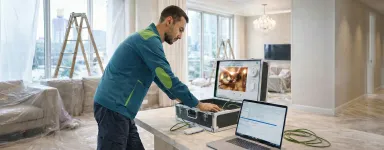




In 2026, smart homes are set to become the standard for comfortable, efficient living. What was once considered a luxury is now an essential part of modern home design. Whether you're planning a renovation, building new, or simply curious about the future, understanding these trends will help you make informed decisions.
1. Sustainable living takes centre stage
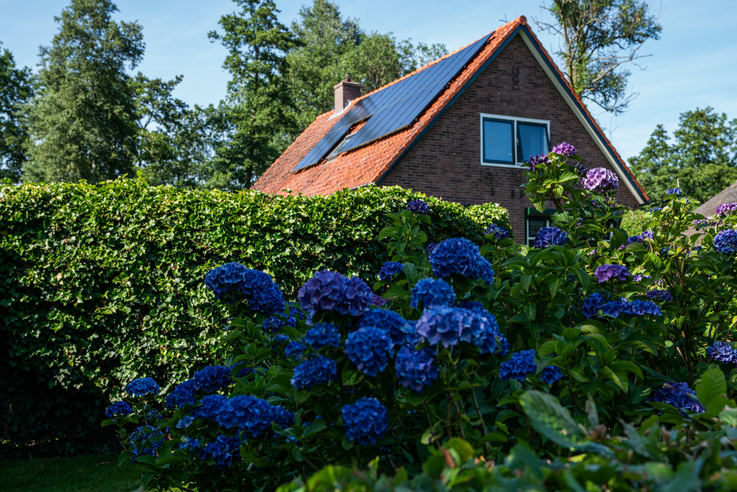
As energy costs rise, daily life becomes more expensive and environmental awareness grows, homeowners are increasingly seeking smarter solutions to save on their regular expenses. Smart systems that optimise heating, cooling and lighting based on your habits can reduce energy bills by up to 30%. Additionally, it has never been easier to integrate solar panels and battery storage thanks to unified home automation systems. Combined with a smart meter, you’ll use your own generated energy only when and where you want.
AI will definitely play a role in the increased energy efficiency of your smart home. Machine learning models continuously refine these decisions, and it’s therefore estimated that it will help reduce your energy costs by 25-40% (based on the blog article by Homewizards).
2. AI that actually helps (without the complexity)
Artificial intelligence is evolving from a buzzword to a practical helper in your home. Imagine systems that learn your routines and adjust automatically, without constant reprogramming. AI-powered energy management systems can predict usage patterns and suggest savings. The best part? These features operate quietly in the background, simplifying your life without adding complexity to your daily routines.
3. Home security gets smarter and more integrated
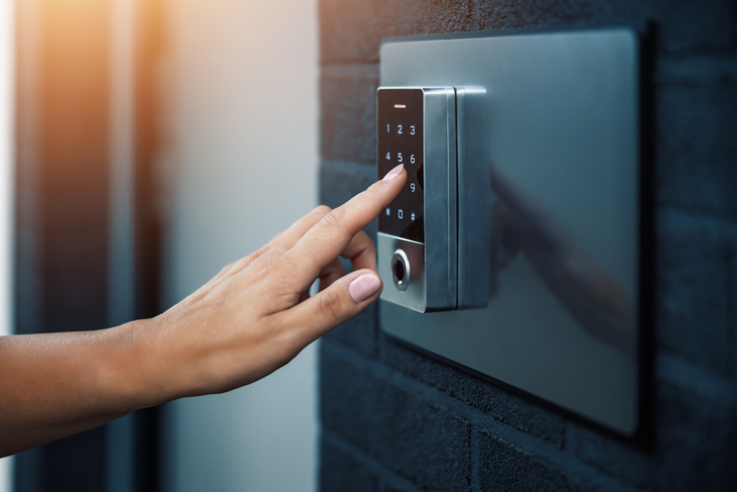
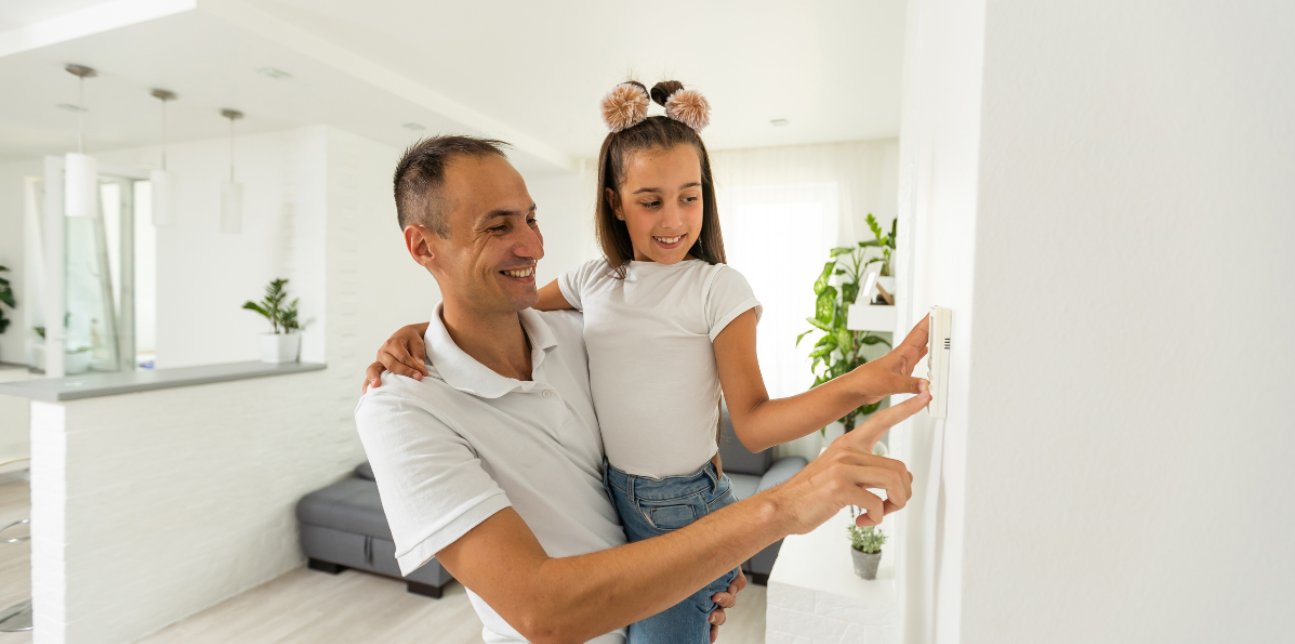
Home security has advanced beyond simple alarms to systems that work together seamlessly. Smart cameras, smart sensors (from motion sensors to smoke detectors) and door locks that communicate with each other provide complete peace of mind. With real-time alerts, you can control access from anywhere, whether at work or on holiday. The integration of your home security into your smart home setup means you can access your home from anywhere. One app, one overview, and one less thing to worry about.
Also in home security, AI will be a great addition. Because machine learning models are more and more integrated in smart devices and systems by default, the performance of your devices will be monitored more accurately. Thanks to AI (and its regular system updates), you’ll receive notifications when your appliances start to underperform before a defect is even present.
This prevents malfunctioning of security cameras or sensors, but also heating or lighting, helping ensure your home is well-protected from intrusions or system failures.
4. Flexibility and future-proofing become non-negotiable
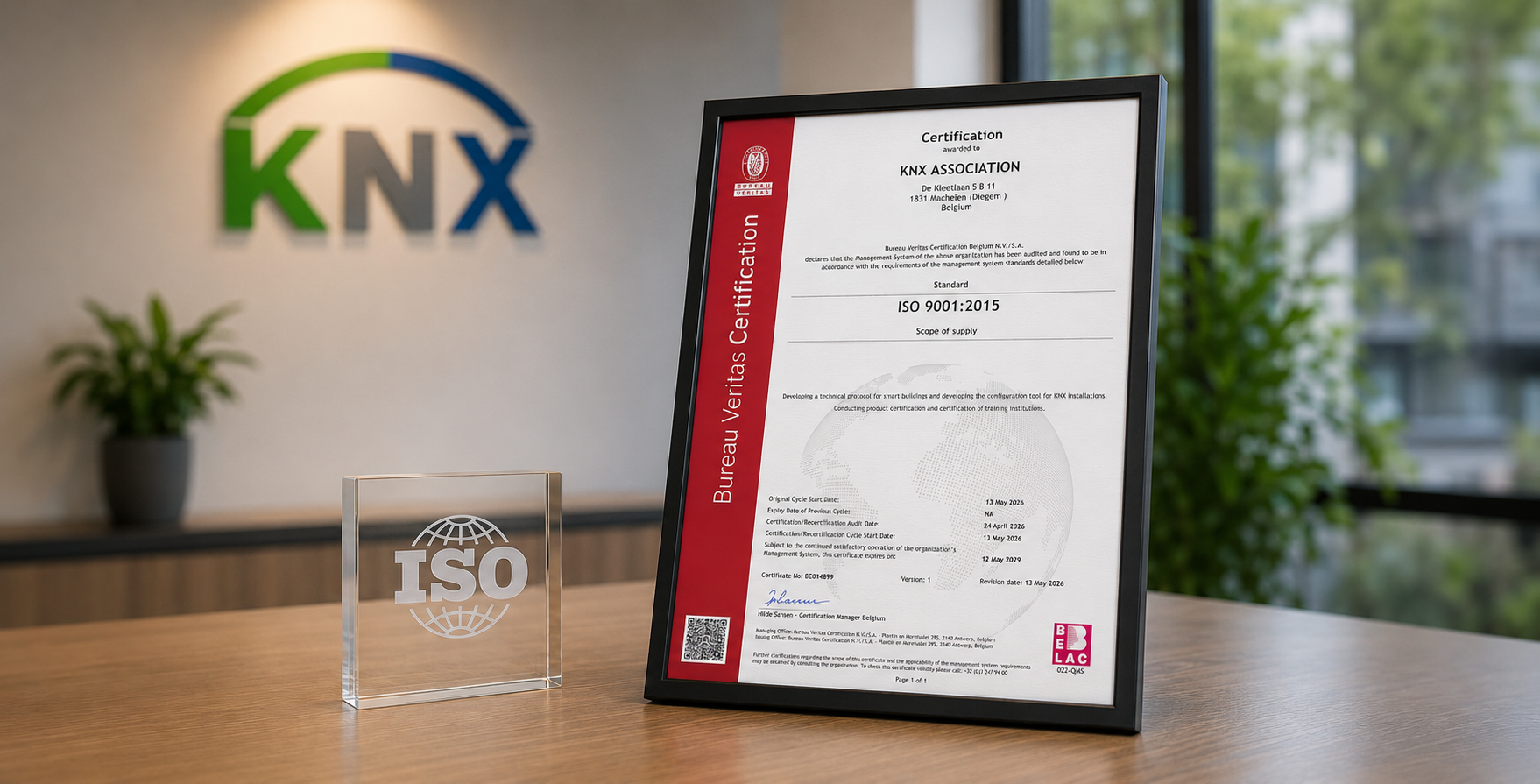
Homeowners today are asking, “Will this system still work in 10 years?” and “Is it worth investing in smart technology?” That's why open standards that allow devices from different manufacturers to work together are gaining popularity. The ability to add new features in the future without having to replace your entire system plays an essential role in a home with longevity. Certified once, compatible forever: this is the kind of reliability worth investing in. Ready to start your home automation journey?
KNX has always been at the forefront of device compatibility and future-proof system design, even from the very beginning in the 90’s. Today, even KNX homes built before 2000 remain fully operable. Even though technology has changed drastically in the past 30 years, the KNX system remains a reliable, durable backbone for smart homes.
5. Design-led smart devices you'll actually want to display
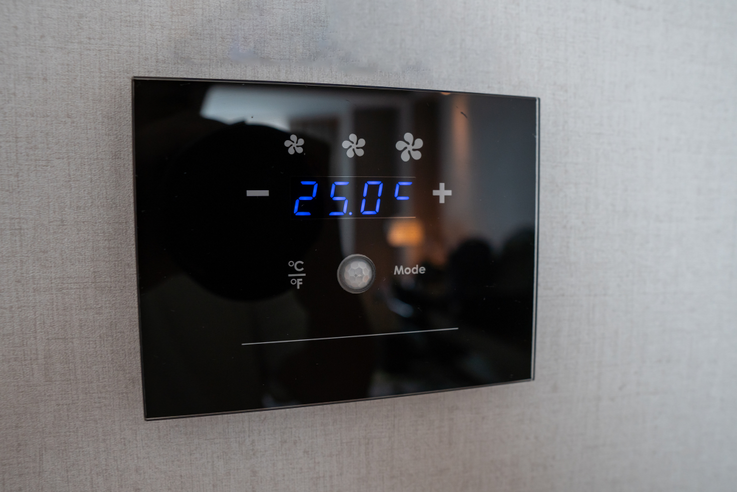
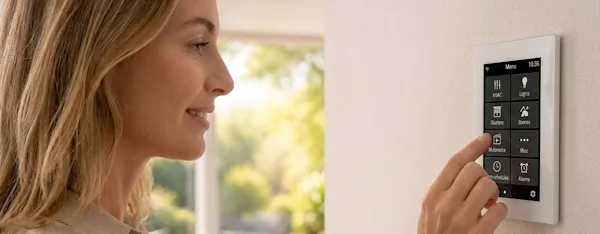
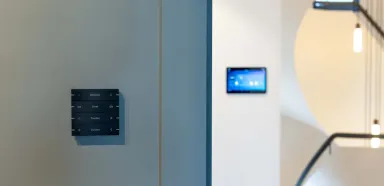
Gone are the days of clunky control panels or bulky sensors. Today, sleek switches, elegant thermostats, and beautiful interfaces are becoming the norm.
Smart home technology now complements your interior rather than clashing with it.
In 2026, form and function finally come together, making technology not just useful but also a stylish addition to your home.
Getting started with smart tech: It's easier than you think
You don't need to automate everything at once. Start with what matters most to you. A professional installer can help you plan a system that grows with your needs. The right foundation today means easy upgrades tomorrow. Whether it's energy savings, security, or convenience, there's a smart solution for every home.