





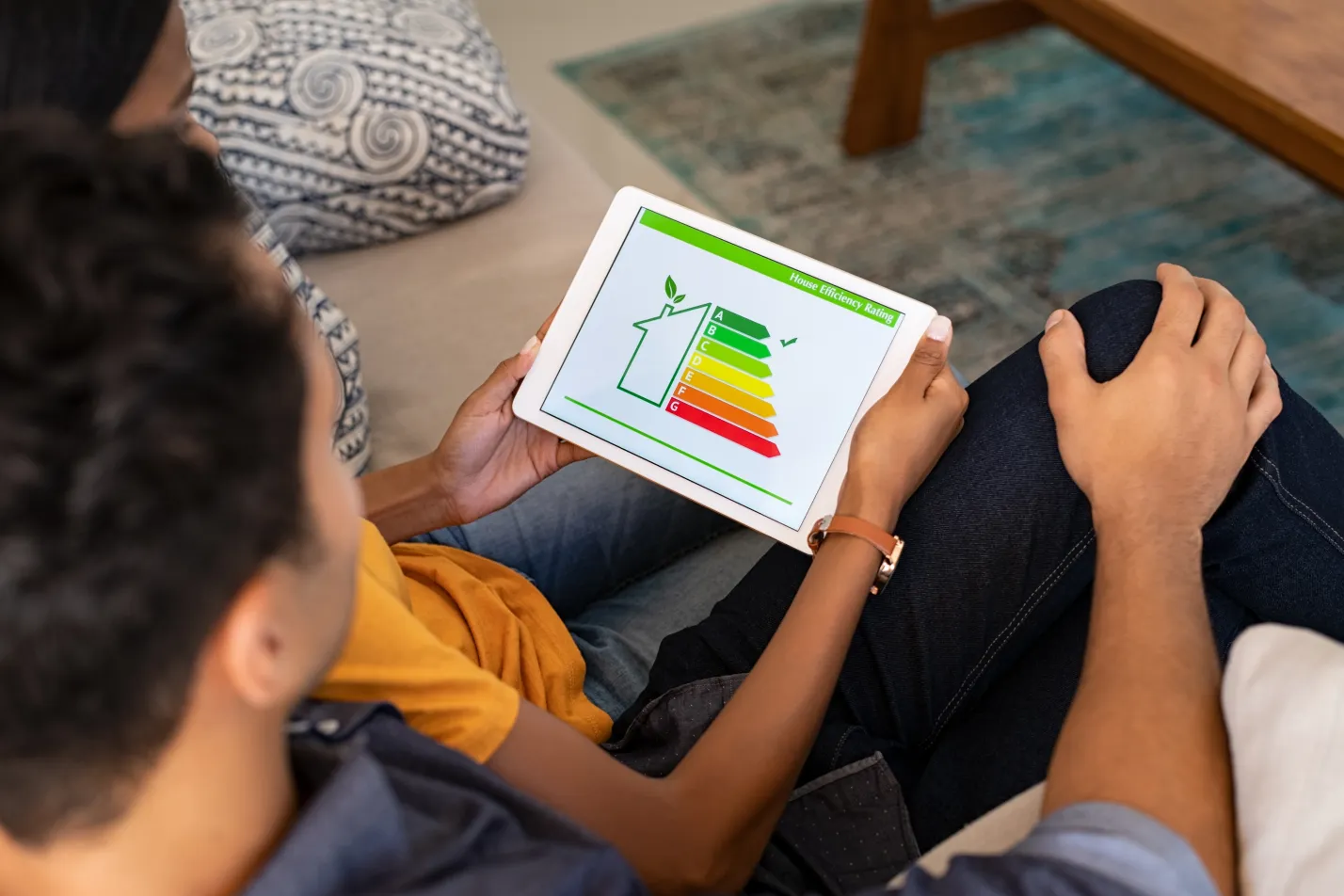
The smart meter your energy supplier installs and a KNX metering device aren’t rivals. They do different jobs. The utility meter’s job is consumption and billing: it measures what you use and reports it to the grid. A KNX metering device sits on your own circuits and does something else entirely: it shows you how you’re using energy, in enough detail to avoid demand peaks, balance load across circuits, and lean on your own solar or battery power instead of the grid when you can. We’ve covered why a home might want both in more detail before.
If you’re choosing metering for a KNX home, here’s what you need to know that varies between products.
See the whole house, or zoom in on what matters
|
Image
|
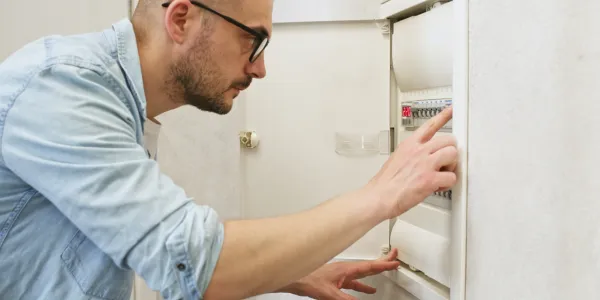
The first real distinction isn’t about the meter itself, it’s about where it sits in your installation. A meter wired at the main incoming supply gives you a whole-house total. A meter wired onto a specific circuit, such as an EV charger, a heat pump, or a home office, gives you that load in isolation. The second is more useful for understanding what’s driving your usage, but it also means buying and placing more than one device if you want visibility across several loads. |
The right size for the job
|
Image
|
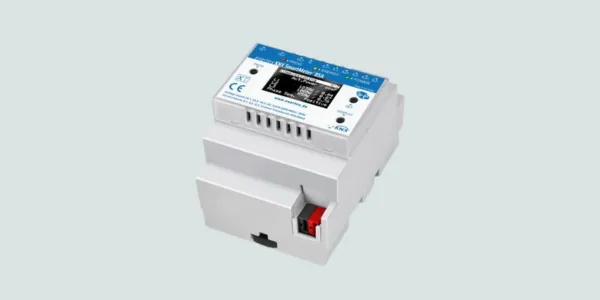
Every meter has a rated current range it’s built to measure accurately. The Enertex KNX SmartMeter², for example, comes in an 85 A version, enough for most homes, and an 800 A version for large commercial buildings. Too small, and it can’t keep up with a high-draw circuit. Too large, and it misses smaller loads.This is very much a “check with your installer” detail rather than a guess. |
Native KNX, not a bridge
Some energy monitoring products only reach a KNX system through a separate gateway translating a different protocol. A meter built as a native KNX device avoids that extra translation layer entirely. It communicates directly on the bus, the shared cable that lets your KNX devices talk to each other, the same way your other KNX devices do. That’s one less thing to configure or potentially fail.
Your energy data stays private
Energy data reveals patterns, such as when you’re home and when you’re not, that are worth protecting like any other data on your system. KNX Secure support on a metering device means that data is encrypted on the bus rather than sitting there in the clear. It’s worth checking for specifically, rather than assuming it’s included.
The meter is only the start
Getting accurate, secure data onto the bus is the first step. What you do with it, automations, alerts, shifting load to cheaper tariff hours or your own solar production, is where the value shows up. Use more of your own solar power, avoid peaks and cut your bill, without giving up comfort. A certified KNX professional can help you pick a metering setup that matches your circuits and what you want to track.