
11. Dec 2025
Is adding smart tech in existing homes the solution for sustainable living?

If you’re looking for a single silver bullet for 100% clean and green living, you won’t find it here. But if you want practical advice on how to make your home more efficient, comfortable and ready for what’s next, smart technology is a powerful place to start. When systems work together—lighting with shading, heating with occupancy sensors—you remove daily waste without having to change your habits. It isn’t about gadgets for the sake of it. It’s about using smart tech to make everyday hassles automated: turn devices off when they’re not needed, run appliances at the right time.
The sustainability gains you can expect from home automation
1. Energy efficiency: Cut waste, not comfort

Intuitive lighting: Presence detection and daylight‑responsive dimming reduce energy use without dark rooms or constant manual adjustments.
Smarter heating and cooling: Room-by-room control adjusts heating and cooling based on occupancy and time of day. Coordinated shading blocks solar heat in summer and preserves warmth in winter—reducing strain on HVAC systems.
Schedules that stick: Automations don’t forget. They reliably turn devices off after hours, lower temperatures overnight, and shut down standby loads when you’re away.
2. Clear insights into your household’s energy consumption
- Evaluate your energy use: Smart meters help you identify the biggest levers in your home. The collected data and observed trends help you get a clear view of your behaviour, and ensure that your smart system is maneuvered towards less energy usage.
- Measurable results: Track changes over time, refine automations and repeat. Choose to get updates in your smart home app or control panel. Small adjustments add up when they run every day for several devices and appliances.
3. Guaranteed futureproofness and device longevity
Choose an open, certified backbone so your system keeps working as your home evolves. The KNX system and smart devices from multiple brands will interoperate today and continue to do so across generations. Literally! Smart homes built in the 90s with an integrated KNX system still function perfectly to this day.
What does futureproofness translate to?
You can easily replace smart devices, from sensors to HVAC components.
You can add new functions - extremely handy if you want to build your smart home over time.
You can integrate renewable energy appliances without starting over. Solar panels, home batteries and more, your KNX installer adds them easily to your existing system.
That means fewer premature upgrades, less e‑waste from outdated devices and a home that stays efficient for the long term.
How to make your home more sustainable step by step
Step 1: Define the goals of your smart home setup

Why do you want to live more sustainably? Do you want to reduce the carbon footprint of your household, or do you want to lower your energy bills? While a reduction in your energy usage automatically lowers both emissions and costs, your goals will determine your priorities.
Let’s say you want to drastically reduce the carbon emissions of your home. In that case, you’ll be more interested in optimizing the electrification of your appliances and the integration of solar panels to your smart system, even though gas prices might be lower than electricity.
If you’re much more interested in lowering your energy bills, investing in automated scenes makes much more sense. It all depends on your priorities.
Step 2: Start with the basis and quick wins

Quick reality check: Smart technology amplifies good fundamentals; it doesn’t replace them. A sustainable home still needs proper insulation, efficient windows and conscious energy habits by the owners or renters.
Once the basics are covered, automation ensures those improvements perform at their best.
Focus first on the biggest energy loads:
- Heating and cooling
- Lighting
- Standby consumption
Aim for simple, reliable automations that deliver consistent results. And choose open, certified systems to avoid e-waste and compatibility issues in the future. Contact a KNX professional to optimize your smart home setup to ensure your system delivers long-term efficiency and compatibility.
Smart technology as an amplifier of sustainable living habits
Is smart technology the ultimate solution for sustainable living? Not on its own—but it’s one of the most practical and impactful ways to reduce waste, enhance comfort, and future-proof your home.
With the right foundation, your smart home becomes a long-term investment that supports both sustainability and modern living.
Highlights
-
 News
NewsJoin the ETS6 Roadshow 2026
Join us throughout 2026 for a dedicated series of events showcasing the latest features and benefits of ETS6.4. -
 News
NewsYou can now apply for the KNX Awards 2026!
The KNX Awards is a long-standing competition that puts the smartest KNX home and building projects in the picture. Hand in ... -
 News
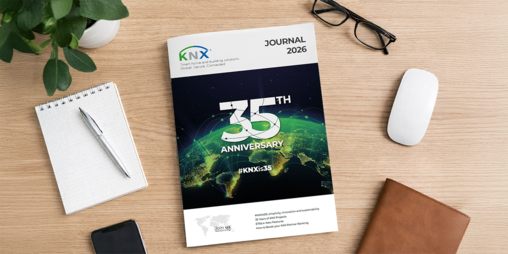
NewsThe KNX Journal 2026 is now available
The latest edition of our annual smart home and building solutions magazine has arrived – the KNX Journal 2026. This year’s ...


