
12. May 2026
The psychology of control: Why tactile buttons still matter in a voice-first world

Innovation in a smart home is often associated with the hands-free convenience of voice assistants. However, at KNX, we believe innovation is progress with a purpose, designed to make every project simpler and more capable. While speaking to your home feels modern, there is a deep-seated psychological need for the immediate, silent, and reassuring feedback that only a physical button can provide.
Tactile interfaces are far more than traditional controls; they are sophisticated entry points that ground technology in practical benefits. By focusing on these touchpoints, we ensure that smart homes remain approachable and reassuring for everyone, regardless of their technical expertise.
The need for haptic certainty
Voice commands require a specific mental "load": you have to remember the right phrase and wait for the system to interpret your intent correctly. Physical buttons offer haptic feedback, providing instant confirmation that your command has been registered.
- Reassuring and reliable: Tactile control provides peace of mind because the result of the action is immediate and predictable.
- No-nonsense: A physical switch is often the most straightforward way to interact with a home, avoiding the complexity of spoken commands.
- Trusted standard: Within a KNX system, a button press is a direct command on the bus, offering the calm confidence of a trusted standard with decades of proven reliability.
Silent sophistication and context
There are many moments where voice control is impractical or intrusive. Whether it is turning off lights in a nursery or adjusting a scene during a dinner party, physical buttons allow for silent, non-disruptive management.
- Inventive and enabling: KNX keypads from partners like Basalte or Ekinex allow you to trigger complex scenes, lighting, shading, and climate, with a single touch.
- Inclusive design: Tactile buttons make expertise accessible; guests who don't know your voice commands can still operate the home with confidence.
- Future-proof: These certified KNX devices are designed for long-term compatibility as your system evolves.
The aesthetics of interaction
Beyond functionality, the physical interface is a design statement that connects the digital world to the architecture of the home. High-quality materials like brushed aluminum, brass, or glass provide a sensory experience that software cannot replicate.
- Purposeful craftsmanship: The choice of a physical interface allows architects and planners to integrate technology seamlessly into a building's aesthetic.
- Grounded quality: Using tangible, high-quality materials reinforces the feeling of a reliable and permanent installation, rather than a temporary tech gadget.
- Emotional connection: A well-designed button makes the home feel more responsive and protective, enhancing the user's sense of ownership over their environment.
Visualizing certainty with central dashboards
A tactile button press often triggers actions that happen out of sight, such as locking doors or closing shutters.

To keep the experience clear and reassuring, central visualization dashboards provide visual confirmation of your actions.
- Clear feedback: When you press a "Leaving Home" button, a central display can show a status summary, confirming that all systems are in their desired state.
- Smart integration: Manufacturers like ise offer clever interfaces that connect specialized devices to the KNX bus, ensuring even your most specific requirements remain part of one unified system.
- Unified experience: Whether you prefer the touch of a button or the clarity of a screen, the KNX community ensures these tools work together to support your lifestyle.
Trust in the touch
Tactile smart buttons remain a vital part of the home because they offer a tangible connection to our environment. By blending physical reliability with intelligent automation, a KNX-powered home provides a living experience that is both inventive and deeply reassuring.
Highlights
-
 News
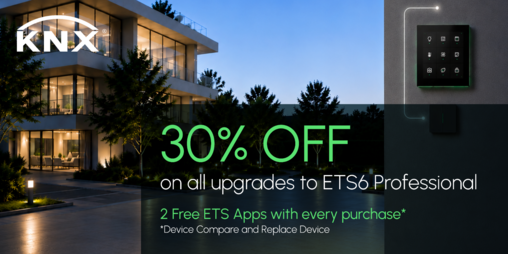
NewsETS6 Professional Upgrades - 30% Off and Get 2 Apps for Free
KNX Association is offering a special promotion on upgrades to ETS6 Professional from 1st until 30th June 2026. -
 News
NewsJoin the ETS6 Roadshow 2026
Join us throughout 2026 for a dedicated series of events showcasing the latest features and benefits of ETS6.4. -
 News
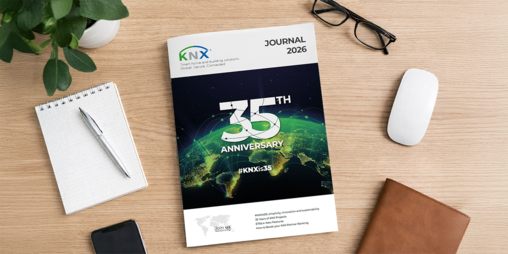
NewsThe KNX Journal 2026 is now available
The latest edition of our annual smart home and building solutions magazine has arrived – the KNX Journal 2026. This year’s ...


