
12. maggio 2026
La differenza tra contatori intelligenti e monitor energetici — e perché potrebbero servirti entrambi

La bolletta energetica ti indica quanto hai consumato, ma non sempre spiega dove è finita quell’energia o come potresti migliorare i tuoi consumi.
Per molti proprietari di case, ottenere una maggiore visibilità è il primo passo verso una casa più efficiente dal punto di vista energetico. I contatori intelligenti e i monitor energetici svolgono entrambi un ruolo in questo senso, ma spesso vengono confusi. Sebbene entrambi si occupino di dati energetici, hanno scopi diversi. Uno collega la tua casa alla rete elettrica, mentre l'altro ti aiuta a capire cosa sta succedendo all'interno della tua casa.
Se stai utilizzando o prevedi di utilizzare tecnologie come pannelli solari, veicoli elettrici o pompe di calore, comprendere come questi sistemi interagiscono tra loro può aiutarti a prendere decisioni più informate sul tuo consumo energetico.
Il contatore intelligente: il guardiano della rete

Il contatore intelligente viene installato dal tuo fornitore di energia e funge da collegamento tra la tua abitazione e la rete energetica più ampia. Sostituisce le letture manuali e garantisce che la tua bolletta sia basata sul consumo effettivo.
A chi è rivolto: Principalmente ai fornitori di energia e agli operatori di rete.
Frequenzadei dati: aggiornamenti periodici, spesso ogni 15-30 minuti a seconda dell'infrastruttura di rete locale.
Ruolo nella sostenibilità: i contatori intelligenti rendono possibili le tariffe basate sull'ora. Ciò significa che il prezzo dell'energia può variare a seconda di quando è disponibile, ad esempio quando la produzione di energia rinnovabile e la disponibilità della rete sono più elevate.
Quando questi dati vengono utilizzati nell'ambito di un sistema di gestione energetica domestica, possono contribuire a spostare determinati tipi di consumo in fasce orarie più vantaggiose, sia in termini di costi che di sostenibilità.
Il monitor energetico: il tuo investigatore domestico

Mentre un contatore intelligente indica il consumo energetico complessivo della tua abitazione, un monitor energetico ti aiuta a capire come viene utilizzata quell'energia. Può fornire informazioni dettagliate su circuiti, stanze o elettrodomestici specifici, spesso quasi in tempo reale.
A chi è rivolto: Proprietari di case e sistemi di domotica che si basano su dati energetici dettagliati.
Frequenza dei dati: informazioni quasi in tempo reale che riflettono ciò che accade in casa tua momento per momento.
Ruolo nella sostenibilità: il monitoraggio energetico può aiutare a identificare dove l'energia viene utilizzata in modo inefficiente. Alcuni dispositivi, ad esempio, continuano a consumare energia anche quando non sono attivamente in uso.
Grazie agli attuatori energetici KNX e alle soluzioni di monitoraggio, potrete ottenere le informazioni dettagliate necessarie per ottimizzare attivamente i consumi e automatizzare le azioni di risparmio energetico. Questo livello di controllo rappresenta uno dei modi più efficaci per ridurre le bollette energetiche, migliorando al contempo l'efficienza complessiva.
Perché servono entrambi: il potere della sinergia
Migliorare l'efficienza energetica non significa solo consumare meno energia, ma anche utilizzarla al momento giusto.
Il contatore intelligente fornisce informazioni su quando l’energia è disponibile o più conveniente, mentre il monitor energetico mostra dove viene utilizzata l’energia e dove è possibile intervenire.
Quando queste due fonti di informazioni vengono combinate all'interno di un ecosistema KNX, possono supportare un approccio più coordinato all'uso dell'energia.
Esempio
Si consideri un'abitazione dotata di pannelli solari, una pompa di calore e un veicolo elettrico.
Durante il giorno, la produzione solare può essere elevata mentre la domanda di energia è relativamente bassa. Senza un coordinamento, quell'energia potrebbe essere reimmessa nella rete.
Con la giusta configurazione, i dati energetici possono essere utilizzati per allineare meglio il consumo alla produzione. Ad esempio, un veicolo elettrico potrebbe iniziare a ricaricarsi o il riscaldamento dell'acqua potrebbe avviarsi automaticamente quando è disponibile l'energia solare. Ciò contribuisce ad aumentare l'autoconsumo e riduce la necessità di fare affidamento sull'elettricità della rete nel corso della giornata.
Soluzioni come le interfacce intelligenti KNX per la ricarica dei veicoli elettrici rendono questo tipo di automazione perfettamente integrata. Questo coordinamento trasforma la vostra casa in un partecipante attivo alla transizione energetica, non solo in un consumatore passivo.

Visualizza il tuo impatto
I dati acquisiscono maggior valore quando sono facili da comprendere e da utilizzare.
Una piattaforma di visualizzazione come YOUVI di PEAKnx può riunire le informazioni provenienti sia dal contatore intelligente che dal monitor energetico in un'unica panoramica chiara. Ciò consente di vedere come l'energia fluisce all'interno della propria abitazione, confrontare i consumi nel tempo e comprendere meglio l'impatto di determinate azioni o automazioni.
Nel tempo, questo può aiutare a rivelare modelli ricorrenti o evidenziare consumi insoliti, rendendo più facile individuare le inefficienze o i dispositivi che potrebbero richiedere attenzione.
Conclusione
Un contatore intelligente e un monitor energetico non si sostituiscono a vicenda. Svolgono funzioni diverse e, se utilizzati insieme, possono completarsi a vicenda.
Uno offre una visione più ampia del consumo energetico in relazione alla rete, mentre l'altro fornisce informazioni più dettagliate su ciò che accade all'interno della tua abitazione.
Combinando entrambi e collegandoli all'interno di un sistema KNX, è possibile prendere decisioni più informate su come e quando viene utilizzata l'energia. Nel tempo, ciò favorisce un approccio più efficiente ed equilibrato alla gestione energetica, senza compromettere il comfort.
Highlights
-
 News
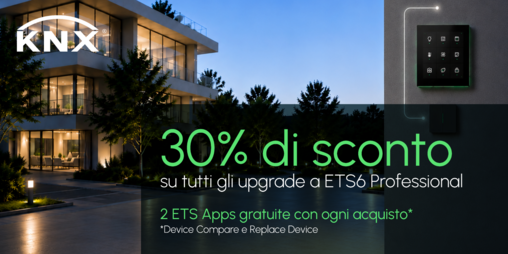
NewsAggiornamenti professionali ETS6: 30% di sconto e 2 app in omaggio
L'Associazione KNX propone una promozione speciale per l'aggiornamento a ETS6 Professional dal 1° al 30 giugno 2026. -
 News
NewsPartecipa al Roadshow ETS6 2026
Unitevi a noi nel corso del 2026 per una serie di eventi dedicati alle ultime funzionalità e ai vantaggi di ETS6.4. -
 News
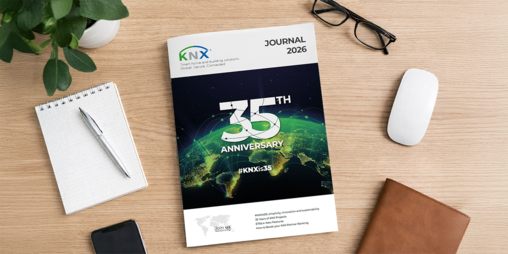
NewsIl KNX Journal 2026 è ora disponibile
È arrivata l'ultima edizione della nostra rivista annuale dedicata alle soluzioni per la domotica e la building automation: ...


